
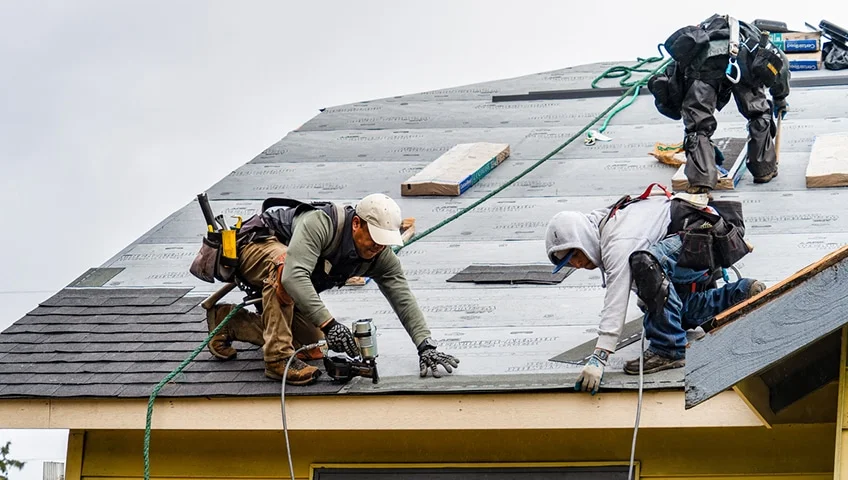
Ask any roofer what they’d pay for a steady pipeline of local homeowners calling about leaks, storm damage, or full replacements, and you’ll get a pretty enthusiastic answer. That’s exactly what search engine optimization delivers when it’s done right. The roofing industry is competitive, seasonal, and hyper-local, which is precisely why SEO works so well for companies willing to commit to it.
In this playbook, we’re walking through everything we’ve learned helping service businesses climb Google’s rankings: how homeowners actually search, which keywords move the needle, and how to stack local signals so your phone rings more often than your competitors’. Whether you run a two-truck operation or a regional roofing company, the principles of roofers SEO are the same, and the payoff, measured in booked jobs worth thousands of dollars each, makes the effort well worth it.
At Divramis, our roofers SEO team has spent over a decade helping roofing companies, contractors, and local home-service businesses climb Google’s rankings with white-hat strategies, transparent reporting, and measurable lead growth.
Why SEO Is a Game-Changer for Roofing Businesses
Here’s the simple math: more than 5,000 people search for roofing services every month, that’s over 167 searches every single day. Each one of those searches is a homeowner with a problem, a budget, and usually a short timeline. When someone’s ceiling is dripping after a storm, they’re not flipping through a phone book. They’re grabbing their phone and typing “emergency roof repair near me.”
If your website isn’t showing up, a competitor’s is. And a single missed high-value job can mean $5,000 to $30,000 in lost revenue, on one call. Multiply that by a year of missed calls and the cost of poor visibility becomes painful fast.
SEO isn’t just a marketing channel for roofers. It’s the difference between waiting for referrals and owning a predictable, compounding source of qualified leads. Unlike paid ads that stop the second you pause the budget, strong rankings keep generating work month after month.
How Homeowners Actually Search for Roofers Online
Homeowners don’t search the way marketers assume they do. They don’t type “premium residential roofing services provider.” They type things like “roof leak repair Denver,” “shingle replacement cost,” or “roofer near me open now.”
Three patterns dominate the roofing space:
- High-intent, location-specific queries, “roofing contractor [city]” or “metal roof installation [neighborhood].” These searchers are ready to buy.
- Emergency searches, spikes in “emergency roof repair” right after storms, hail, or heavy winds. Seasonal demand is huge.
- Google Maps searches, a big chunk of roofing leads come from Maps, not classic blue-link results. People tap the map, scan reviews, and call the top three.
Understanding these behaviors shapes every decision that follows, which keywords we target, which pages we build, and how aggressively we optimize for the local pack.
Keyword Research Built for Roofing Services
Generic keyword lists don’t win roofing jobs. What wins is a keyword strategy built around your actual services and the towns you physically drive to. Each page on your site should target one clear keyword theme, otherwise you end up with two pages fighting each other for the same rankings (that’s keyword cannibalization, and it’s a quiet killer).
Read more: Shenzhen SEO conference insights with JP Zhang
We typically start by auditing competitors using tools like Ahrefs or SEMrush, hunting for terms where they rank on page two. Those are the low-hanging fruit, keywords with proven demand and beatable competition.
High-Intent Service and Emergency Keywords
These are the money terms. Think “roof replacement [neighborhood],” “storm damage roof repair,” “flat roof contractor [city],” and “emergency roofer near [landmark].” Service modifiers plus location modifiers equal commercial intent with surprisingly low competition in most markets. Build a dedicated landing page for each major service, repairs, replacements, inspections, gutters, commercial roofing, rather than lumping everything onto one “Services” page.
Location-Based and Neighborhood-Level Terms
Roofing is a hyper-local game. Most roofers operate within 20 to 50 miles of their base. That means optimizing not just for your main city, but for every suburb, neighborhood, and town you serve. Create individual service-area pages, “Roof Repair in [Suburb]”, with genuinely unique content, local landmarks, and customer stories from that area. Generic duplicated pages with the city name swapped out won’t cut it anymore.
On-Page SEO Essentials for Roofing Websites
On-page SEO is where technical discipline meets conversion psychology. The basics still matter, and most roofing websites still get them wrong.
Every page needs:
Read more: The Divramis SEO blog and resource library
- A title tag with the target keyword and location, kept under 60 characters.
- A meta description that sells the click, not just describes the page.
- One H1 per page, clear and keyword-aligned.
- Header hierarchy (H2s, H3s) that matches how a homeowner would skim.
- Internal links pointing from blog posts to service pages, and from service pages to location pages.
- Schema markup for LocalBusiness, Service, and Review, this helps Google understand what you do and where.
Speed and trust are non-negotiable. A slow site on mobile loses rankings and customers. Your homepage should display your phone number, service area, license info, and social proof above the fold. The website is the anchor for every other SEO effort, if it’s weak, nothing else compounds.
Local SEO and Google Business Profile Optimization
Local SEO is where roofers win or lose. We optimize across three ecosystems at the same time, and you should too:
- Your website, for traditional organic rankings.
- Your Google Business Profile (GBP), for the Local Pack, the map “3-Pack” that sits at the top of most local searches.
- Third-party directories, Yelp, Angi, HomeAdvisor, BBB, and industry-specific sites.
Your GBP deserves obsessive attention. Fill out every field. Pick accurate primary and secondary categories (“Roofing Contractor” is usually primary). Upload fresh photos of completed jobs every week, Google’s algorithm rewards activity. Post weekly updates. And treat reviews like gold: ask every happy customer, respond to every review (even the tough ones), and aim for a steady stream rather than a one-time flood.
Consistency matters across directories too. Your name, address, and phone number (NAP) should match exactly everywhere they appear. Citation mismatches confuse Google and tank local rankings.
Content Strategy That Converts Visitors Into Leads
Ranking isn’t the finish line, booked jobs are. Most roofing sites get traffic and waste it because their content reads like a brochure from.
Read more: Specialist iGaming SEO strategies for operators
The rule we follow: a visitor should understand who you are, what you do, where you work, and why to trust you within 30 seconds of landing. That means clear headlines, trust signals (licenses, insurance, years in business, manufacturer certifications), real project photos, and a phone number that actually works on mobile.
Content that converts in the roofing space usually falls into a few buckets:
- Service pages that answer pricing questions, explain the process, and show before/after work.
- Educational blog posts, “How long does a shingle roof last in [your climate]?” or “Signs you need a roof replacement after hail.”
- Local guides tied to storm seasons, insurance claims, and permit requirements in specific cities.
- FAQ sections that capture voice search and featured snippets.
Every page should have a visible call-to-action. Not just “Contact Us”, something specific like “Get a Free Roof Inspection in 24 Hours.”
Link Building and Authority Signals for Roofers
Google trusts websites that other trusted websites link to. For roofers, the link profile doesn’t need to be huge, it needs to be relevant and clean.
Here’s where we focus our efforts:
- Local business citations, Chamber of Commerce, local directories, industry associations like the NRCA or regional roofing groups.
- Manufacturer partner pages, GAF, Owens Corning, CertainTeed and similar brands often list certified contractors. These links are powerful.
- Local press and sponsorships, sponsor a Little League team, donate a roof to a veteran, and you’ll earn genuine local coverage with backlinks.
- Supplier and partner sites, relationships with gutter installers, solar companies, and insurance adjusters can turn into mutual links.
- Guest posts on home improvement and real estate blogs relevant to your market.
Skip the sketchy link packages you’ll see in cold emails. One spammy link cleanup can wipe out a year of progress. At Divramis, our white-hat approach is built precisely to avoid that risk, every link earned should still be one you’re proud of two years from now.
Read more: Specialist casino SEO for online gaming operators
Tracking Performance and Measuring ROI
SEO isn’t a faith-based investment. It’s measurable, as long as you track the right things. For roofing campaigns, we typically see meaningful lifts in inquiries within 5 to 7 months, though timelines shift with market competition, service area size, budget, and seasonality.
The metrics that actually matter:
- Keyword rankings for your core service and location terms.
- Organic traffic to service and location pages (not just the homepage).
- GBP insights, calls, direction requests, website clicks from the Local Pack.
- Lead volume, form submissions and phone calls, tracked with call tracking numbers.
- Booked jobs and revenue attributed to organic search.
We recommend a simple monthly dashboard that connects rankings to revenue. When you can say “we earned $X in booked jobs from organic traffic this month,” SEO stops being a line item and starts being the best-performing channel in your business. That’s the outcome we’ve helped clients hit again and again, including traffic lifts of up to 1200%, and it’s absolutely within reach for any roofer willing to play the long game.
The roofs aren’t going anywhere. Neither are the homeowners searching for you. The only question is whether they’ll find you first.
Key Takeaways
- More than 5,000 monthly searches for roofing services represent high-value leads worth $5,000 to $30,000 per missed job, making roofers SEO a critical revenue driver.
- Homeowners search using location-specific, emergency-focused terms like ‘roof leak repair [city]’ and ’emergency roofer near me,’ not generic phrases—so target keywords match actual search behavior.
- Build dedicated landing pages for each service and neighborhood you serve rather than generic pages, and use schema markup for LocalBusiness to help Google understand your services and location.
- Google Business Profile optimization—including weekly photos, consistent NAP information across directories, and responsive review management—directly impacts visibility in the Local Pack where most roofing leads originate.
- Track measurable ROI by connecting keyword rankings and organic traffic to booked jobs and revenue; meaningful lifts typically appear within 5 to 7 months for roofing campaigns willing to commit.
Frequently Asked Questions About Roofers SEO
Why is SEO important for roofing contractors?
SEO drives high-intent local leads: over 5,000 people search for roofing services monthly. A single missed job costs $5,000–$30,000 in revenue. Unlike paid ads, strong rankings generate qualified leads month after month without ongoing ad spend.
What keywords should roofers target for SEO?
Focus on high-intent, location-specific keywords like ‘roof repair [city],’ ’emergency roofer near me,’ and ‘roof replacement [neighborhood].’ Pair service modifiers with location modifiers to capture ready-to-hire homeowners with low competition in most markets.
Read more: Subscribe to the Divramis SEO newsletter for updates
How long does it take to see results from roofers SEO?
Most roofing clients see meaningful increases in inquiries within 5–7 months, though timelines vary based on market competition, budget, service area size, and seasonality. Results compound over time as rankings strengthen.
How important is Google Business Profile for roofing SEO?
Google Business Profile is critical—it appears in the Local Pack, where many homeowners find roofers. Optimize every field, upload job photos weekly, post updates, and manage reviews actively. Many roofing leads come directly from Maps, not organic results.
What on-page SEO elements matter most for roofing websites?
Include location-specific title tags, compelling meta descriptions, one H1 per page, clear header hierarchy, internal links to service pages, and LocalBusiness schema markup. Display your phone number, license info, and social proof above the fold for trust.
How should roofers handle local SEO across multiple service areas?
Create individual service-area pages for each suburb or neighborhood you serve (typically 20–50 miles radius). Use genuinely unique content, local landmarks, and customer stories—not duplicated pages with swapped city names. Maintain consistent name, address, and phone across all directories.
Read More
Discover more from Dailyfucks.gr:
You may also like
-
Mobile SEO Στην Αθήνα: Ο Πρακτικός Οδηγός Για Περισσότερες Τοπικές Επισκέψεις Και Πελάτες Σήμερα
-
SEO Για Blog Περιεχόμενο Yacht Charter: Ο Πλήρης Οδηγός Για Περισσότερες Κρατήσεις Σήμερα
-
SEO Tips For Plumbing Companies: 13 Proven Ways To Win More Local Leads
-
Affordable IGame SEO Services: How To Grow Casino Traffic Without Overspending
-
SEO For Escort Listing Websites A Practical Guide To Visibility Compliance And Sustainable Growth